Report – Sudan Scope
The main theater of conflict in Sudan has shifted to Kordofan, bringing immense suffering to civilians caught in the crossfire. A data blackout has made it extremely difficult to assess humanitarian needs and the overall situation on the ground.
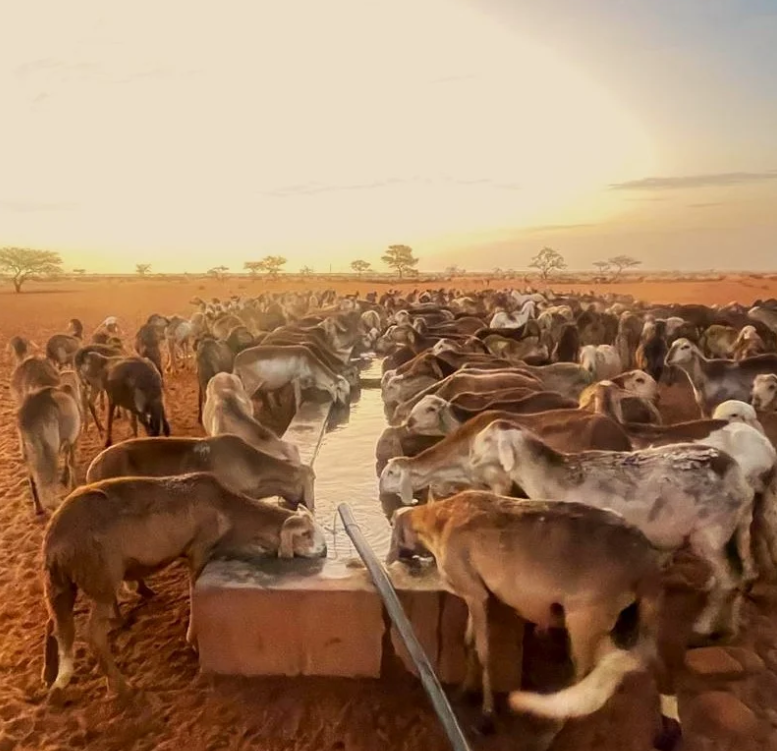
As control over the region frequently changes hands, civilians have been subjected to abuses and violations by both sides, each accusing them of supporting the other. Livelihoods in Kordofan, largely dependent on the seasonal movement of cattle to water sources and grazing land, have been severely disrupted. With the region now an active war zone, such movement is nearly impossible, leading to the collapse of a critical pillar of the local economy. According to reporting by Sudan Scope Media & Research, the war in Sudan has largely shifted to Kordofan, a conclusion supported by multiple indicators and evidence presented in the report.
Kordofan: The Main Battlefield
As fighting subsided on most other fronts, both sides redirected significant forces to the already devastated region. This reflects a mutual military strategy positioning Kordofan as the primary battleground and zone of contested control. The RSF aims to keep Kordofan as a forward defense line to prevent the army from reaching areas under its newly formed administration in Darfur, established in cooperation with armed movements and political forces under the “Ta’sis Alliance.”
Similarly, the army considers Kordofan a defensive buffer protecting Khartoum and other regions under its control.
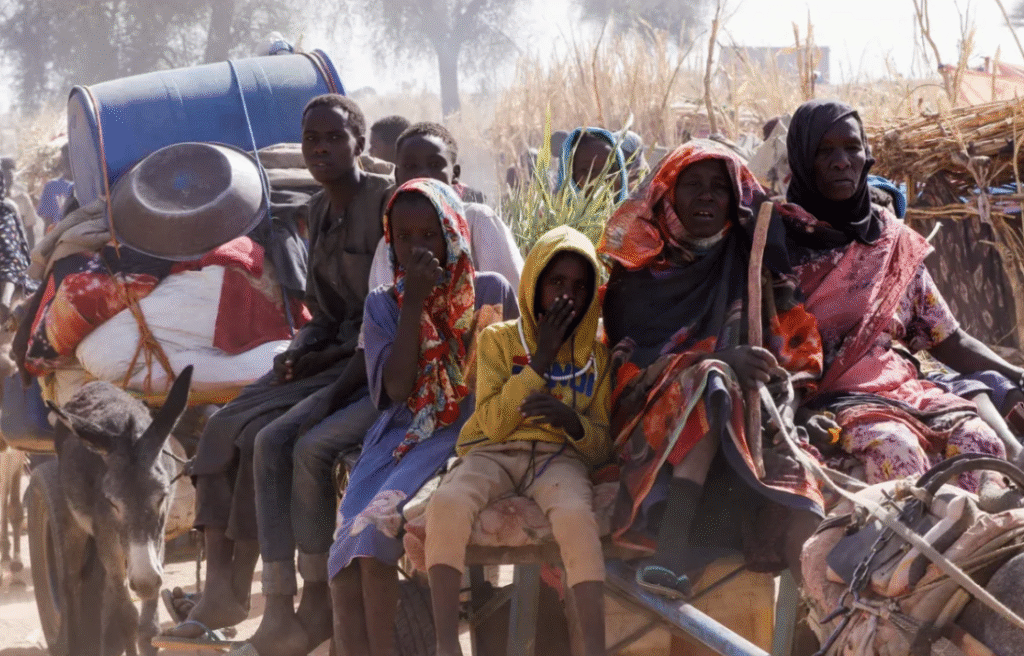
About a year ago, large RSF forces withdrew from central states and advanced into Kordofan, soon followed by army units and allied forces. Fierce battles erupted across the three Kordofan states, turning cities such as Bara, Jabrat Al-Sheikh, Al-Dilling, and Babanusa into ghost towns. Other cities endured sieges and shelling, while hundreds of villages were depopulated. Civilians fled on foot to escape the fighting, and armed forces often confiscated any available vehicles. Recently, drone attacks have increasingly targeted civilians during forced displacement.
Security Grip Restricts Information Flow
The ongoing battles and troop movements have imposed a harsh security grip across the region. Civilians are frequently suspected of allegiance to one side or another, restricting movement and tightening control over communications across Kordofan. Many have faced arrest or execution based on mere suspicion.
At the time of writing, sources interviewed by Sudan Scoop reported severe difficulties in sharing information about humanitarian, health, and living conditions. This has limited the flow of accurate data regarding the needs of the population and the scale of required local and international interventions.
Most available data comes from authorities controlling the ground or affiliated organizations lacking independence, making it unreliable. Even the few international organizations operating in the region must work under conditions imposed by authorities focused on military priorities rather than civilian needs.
Conflicting Data on Displacement
Security restrictions have prevented the establishment of reliable databases on humanitarian needs, creating a gap between reality and available data. Critical areas lacking accurate information include the number of displaced persons, the situation of women and children, health conditions, detainees, missing persons, and overall living standards.
Local initiatives estimate that around 6 million people have been displaced within Kordofan, based on data from humanitarian commissions linked to the three controlling authorities: the army, RSF, and the SPLM. In contrast, the International Organization for Migration estimates about 1 million people were displaced across Kordofan.
This discrepancy complicates aid delivery, as donors lack clarity on the actual scale of needs.
UN Leadership Unable to Access Kordofan
Since the start of the war, insecurity has prevented senior United Nations officials from visiting Kordofan. The UN High Commissioner for Human Rights, Volker Türk, limited his January visit to Port Sudan and Al-Dabba, without proceeding to El Obeid, which hosts hundreds of thousands of displaced people but remains under army control and not fully besieged.
In November last year, Tom Fletcher, the UN Under-Secretary-General for Humanitarian Affairs, visited Darfur and toured areas under the Ta’sis administration, including the Tawila camp. However, he did not reach SPLM-controlled areas in South Kordofan, which reportedly host hundreds of thousands of displaced people.
UN High Commissioner for Refugees Filippo Grandi visited Sudan multiple times, reaching camps in Kosti and meeting displaced persons from Kordofan, but did not travel into the region itself.
These limitations highlight two key points: first, the UN is willing to send senior officials to areas controlled by specific parties when feasible; second, strict security protocols and ongoing fighting have prevented access to Kordofan. Additionally, the lack of reliable data on the humanitarian crisis further reduces its priority in official visit agendas.
Funding Shortages Hinder Humanitarian Response
The UN Office for the Coordination of Humanitarian Affairs (OCHA) reported a 62% funding shortfall in Sudan’s 2025 humanitarian response plan, with expectations of a worsening gap this year. This shortfall, combined with limited data from Kordofan, severely impacts the ability to meet the basic needs of millions affected by the conflict.
Students’ Future Under Fire
The ongoing conflict has severely disrupted education. Only a limited number of students from Kordofan were able to sit for Sudanese secondary school exams, as most cities lacked functioning exam centers due to displacement and shelling.
If the Ta’sis administration proceeds with its plan to hold exams in June in areas under its control, they may take place across Darfur. However, this will be extremely challenging in Kordofan, where fighting continues, and cities are regularly shelled.
Both sides appear largely indifferent to the future of students in Kordofan, with the Port Sudan government accommodating only a small number of candidates and the Nyala-based administration planning exams despite ongoing insecurity.
Truce… or Famine
Residents interviewed emphasized that the immediate priority is achieving a ceasefire to allow hundreds of thousands of farmers to prepare for the upcoming agricultural season. Without this, famine is likely, as farming has been disrupted and stored crops looted.
Livestock, a key livelihood source, has also been heavily affected by looting, displacement, and lack of water. Many areas depend on traditional water systems (wells), which have ceased functioning due to fuel shortages and theft of solar equipment. This has led to large-scale livestock deaths.
Attempts to move herds in search of water often result in clashes with other groups due to scarce resources, which further threatens social stability in neighboring regions.
Residents unanimously called for a ceasefire to ensure the safe movement of livestock and prevent further losses.
They also warned of a scenario where the war continues in Kordofan while life normalizes elsewhere in Sudan, similar to past conflicts in the south, South Kordofan, Blue Nile, and Darfur, leaving Kordofan as a buffer zone between rival governments and a permanent battlefield.