
Exclusive - Sudan Scope
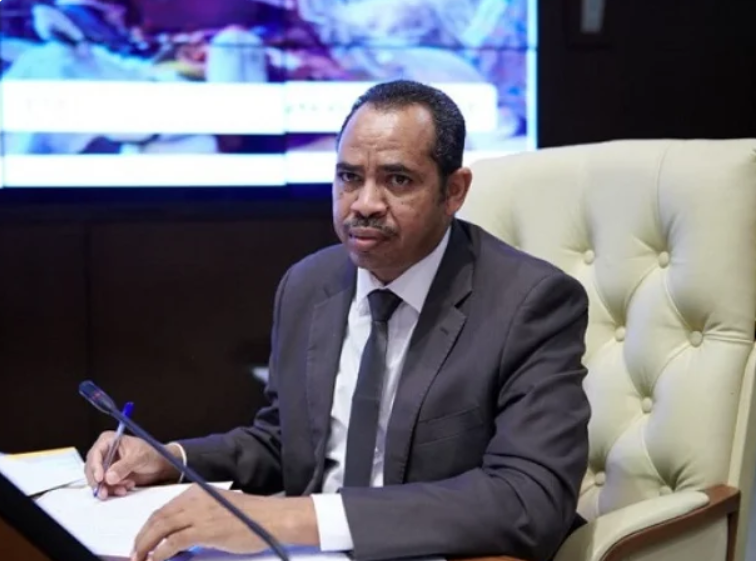
Former Minister of Culture and Information Hamza Baloul said that the war has now shifted completely to the Kordofan region, warning against a repeat of the scenarios seen in South Sudan, Darfur, Blue Nile, and South Kordofan, where conflicts took place in those regions while life continued normally across the rest of the country.
He explained that the center of gravity of military operations over the past year has moved to Greater Kordofan, as its cities and villages have become battlegrounds marked by advances and retreats between the two sides of the conflict. This has resulted in widespread violations against civilians and caused repeated waves of displacement both within and beyond the region, making Kordofan today one of the most volatile and dangerous areas in Sudan.
During the “Sudan Scope” forum in support of the Kordofan region, he pointed out that the region has become a territory of conflict and shifting control. According to him, the Rapid Support Forces (RSF) seek to turn Kordofan into the frontline of the war to prevent the army from reaching the areas under the influence of its newly established administration in Darfur, which was formed with the participation of armed movements and political groups within the “Ta’sis Alliance.” Meanwhile, the army regards Kordofan as a key defensive line for Khartoum and other regions under its control.
Baloul stressed the importance of developing a regional advocacy strategy aimed at conveying the scale of the humanitarian catastrophe in Kordofan to the international community, in order to pressure the warring parties to end the fighting and accelerate the delivery of humanitarian assistance to millions of displaced people in the region.
He concluded by warning of increasing signs pointing to the possibility of famine in the region if the fighting continues, which could lead to the loss of the agricultural rainy season and further worsen the suffering of residents who have been trapped by hunger for the past three years.



