
Kampala – Sudan Scope
In a world filled with crises and conflicts, where borders dissolve and people scatter, humanitarian initiatives emerge as beacons of hope.
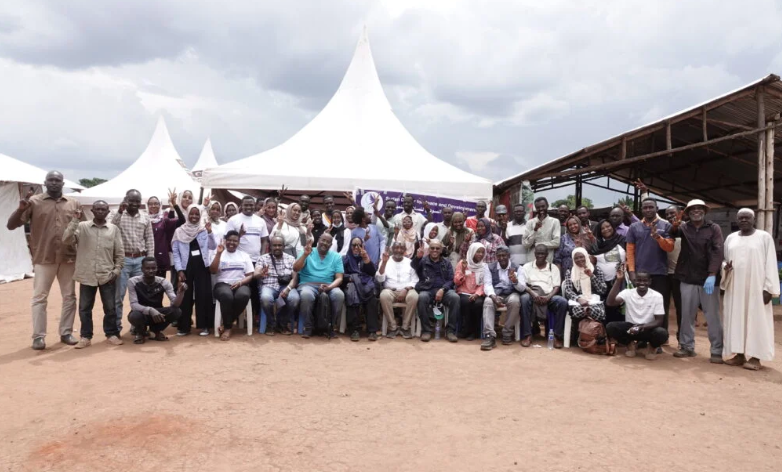
Over 4 days in the third week of June, the organization Sudanese Doctors for Peace and Development concluded its free medical days in the heart of Uganda. They provided a glimmer of medical care to those stranded in the kiryandongo Refugee Camp for Sudanese refugees and at the Pakistani Hospital in Kampala. This was not just an ordinary medical campaign; it was a testament to the resilience of the human spirit, an unwavering commitment to healing, and a poignant reminder of the immense needs faced by refugees around the world.
During these few days, the organization and its partners examined and treated nearly 2,000 patients suffering from complex conditions. They provided necessary examinations and life-saving medications. What distinguishes this initiative is not only the scale of services offered, but also their depth and diversity. The clinics covered a wide range of specialties, including pediatric allergies, orthopedics, internal medicine, diabetes, ear-nose-throat (ENT), urology, and — for the first time — a dental clinic. This latest addition represents a qualitative leap, as dental care, with its high costs, had been an unattainable dream for many Sudanese in Uganda.
The efforts were not limited to treatment alone. The medical days were accompanied by awareness lectures on healthy nutrition, oral health, and personal hygiene, with special focus on caring for children with special needs. To add a human touch, spaces were dedicated to games and drawing for children, to alleviate the harshness of their reality.
Community interaction with these services was overwhelmingly positive. Beneficiaries praised the quality of care and the efficiency of the doctors and team. This praise, as conveyed to Sudan Scope, was nearly unanimous among those interviewed, reflecting the direct and profound impact of these efforts.
However, the feedback also highlighted some challenges that point to the urgent need for more support. Some noted the short duration of the medical days, which underscores the scale of need that cannot be covered in just a few days. Others in Kampala expressed difficulties reaching the clinic due to long distances and called for expanding these initiatives to other areas with high Sudanese population density. The most prominent demand was the urgent need for additional specialties, especially an eye clinic, which remains a major concern for those fleeing the horrors of war.
Perhaps the most touching aspect of this initiative was the clinic’s reception of some Ugandan citizens who were at the Pakistani Hospital seeking treatment. This step is not merely a humanitarian gesture; it is a powerful message that reflects solidarity and confirms that healthcare knows no borders. It is a gesture that honors the organization and its partners for providing treatment to every person in need, especially the Ugandan people who warmly welcomed Sudanese refugees and embraced them in times of hardship.
What the Sudanese Doctors for Peace and Development has accomplished goes far beyond providing medical services. It represents a small-scale model of what organized and committed humanitarian initiatives can achieve under difficult circumstances. These efforts not only treat physical ailments; they also contribute to healing the invisible wounds of displacement and war.
Nevertheless, the growing demands and the short duration allocated to these campaigns highlight a massive gap in healthcare for refugees. Policymakers and the international community must view these limitations as a call to action. The problem is not only about providing treatment, but about building sustainable healthcare systems that can serve these vulnerable communities in the long term.
Investing in such initiatives is not merely charity; it is an investment in regional stability and human security. As these medical days have shown, hope and healing can flourish even in the darkest of circumstances, when the will exists.



